Stories, guides, and tips from the people who run our tours. Whether you’re planning your first trip to Iceland or your fifth, you’ll find honest advice on what to see, when to go, and how to make the most of every day on the island.
Guaranteed Departures
Book worry free! We require no minimum number of participants to run any of our tours!
When booking with Nicetravel you can rest assured your tour will not be cancelled by us unless rare force majeure events occur (i.e. violent storm, volcanic eruptions, strikes)
If you find a bookable date on our website this means departure is confirmed

Ice & Fire
Browse and book your unforgettable summer adventure, where you’ll marvel at majestic glaciers, get up close to serene lagoons dotted with icebergs, and soak in steamy geothermal hot tubs.
Experience Iceland’s long, bright summer days as you savor freshly baked bread from a geothermal bakery and immerse yourself in the breathtaking contrasts of fire and ice that define Iceland’s beauty.
Winter Wonderland
Browse and book your unforgettable winter adventure, where you’ll explore enchanting ice caves, savor freshly baked bread from a geothermal bakery, and soak in steamy geothermal hot tubs.
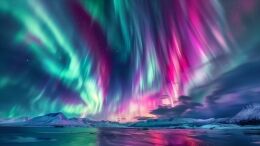
Keep you fingers crossed for good weather to see the awe-inspiring aurora borealis lighting up the night sky and immerse yourself in the serene beauty of Iceland’s winter wonderland for an unforgettable experience.
Off The Beaten Path
Browse and book your journey into untouched nature, where you’ll travel far from the crowds to explore unspoiled landscapes and secret gems.
Experience the raw glory of Iceland’s less-traveled routes, marvel at serene sceneries, and uncover the wonders that only a few have witnessed. This is your chance to see Iceland at its most authentic and untouched!
Highlights of Iceland
Browse and book your unforgettable adventure to experience Iceland’s most iconic attractions.
Explore the best of Iceland with affordable prices and a variety of attractions included. Witness erupting geysers, admire iconic waterfalls, marvel at glacier and lagoon formations, savor geothermally baked bread, and relax in warm hot tubs powered by geothermal energy, just like locals do in Iceland!”
Beaches
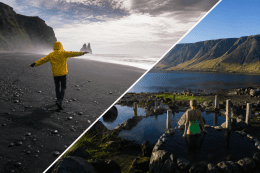
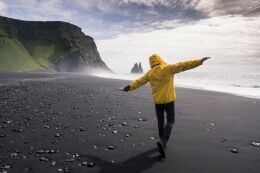
If you like taking energizing walks on colorful beaches with breathtaking views, you’ll love your time in Iceland! Our tours follow the coastal Route 1 all around the country, giving you endless opportunities to visit Iceland’s famous volcanic black sand beaches.
The best-known is Reynisfjara, which TripAdvisor and National Geographic both name as one of the best beaches in the world! You’ll see this beautiful beach on our South Coast and Ring Road tours. If you pick our Westfjords tours, you’ll also see white, golden, and even red sand beaches!
Blogs
Traditional Architecture
See the famous turf-roofed buildings!
Traditional Icelandic architecture is characterized by its simplicity, functionality, and integration with the natural environment. During our tours you will be able to see couple of its examples.
Sólheimajökull Glacier & Lagoon
See the slowly disappearing glacier and a glacial lake forming in front!
Sólheimajökull is a magnificent glacier located on the South Coast of Iceland. It is an outlet glacier that descends from the larger Mýrdalsjökull ice cap. Sólheimajökull is famous for its breathtaking ice formations, including deep crevasses, ice caves, and dramatic ice ridges.
The glacial environment of Sólheimajökull provides a unique opportunity to witness the effects of climate change, as the glacier has been receding in recent years. This caused new Glacial Lagoon to appear on the map of Iceland, where huge chunks of ice slowly float on its surface.
Húsafell Canyon Baths
Bathe like Icelanders did in the old days!
This place offers a unique and natural relaxation experience, nestled within a stunning canyon surrounded by lush greenery. This is a spellbinding place that has to be seen to be believed, with three geothermally-heated pools of varying temperatures (30-41°C or 86-105°F), a cold-water pot and a cooling waterfall, all designed to blend seamlessly into the natural environment.
These are traditional and authentic Icelandic bathing pools, inspired by the age-old ways used by the locals in this area for a thousand years. Sustainably built in the traditional stone-bath style in an off-grid location, it’s a unique combination.
Rauðisandur Red Beach
Find yourself on the Westernmost Beach in Europe!
Rauðisandur is a stunning golden sandy beach located in the Westfjords region of Iceland. Its name translates to “Red Sand,” but the beach is actually a unique blend of golden, beige, and reddish hues. The vast expanse of Rauðisandur stretches for nearly 10 kilometers and is backed by stunning cliffs and mountains. The beach is known for its tranquil beauty and peaceful atmosphere, making it a perfect spot for solitude and relaxation.
Bolafjall Sky Walk
Take a walk on top of one of the most beautiful summits in Iceland!
Bolafjall is a prominent mountain located in the Westfjords region of Iceland. Rising up to an elevation of 638 meters, it offers stunning panoramic views of the surrounding fjords and coastal landscape.
In the recent year, on the summit of Bolafjall impressing viewing platform with sky walk was constructed, just right next to old American radar station. It allows you to witness the beauty of the rugged terrain and the vast ocean beyond. The road leading to the top is very steep and narrow, but no worries! You will be taken there by our experienced drivers.
Dettifoss
See the most powerful waterfall in the whole of Europe!
Dettifoss is a mighty and powerful waterfall located in Northeast Iceland. It is known for being the most powerful waterfall in Europe, with a massive volume of water cascading over its rocky edge.
The sheer force and thundering sound of Dettifoss are awe-inspiring, creating a mesmerizing spectacle for visitors. The waterfall is situated in the Vatnajökull National Park, surrounded by rugged landscapes and dramatic cliffs.
Gljúfrabúi
Discover the hidden gem of the South Coast with us!
Gljúfrabúi is a hidden gem located in Iceland, near the popular tourist attraction, Seljalandsfoss waterfall.
It is often referred to as the “Secret Waterfall” or “Cave Watefall” due to its concealed location and the fact, that is very often missed by many!
Diamond Beach
Take a walk among the “Diamonds”!
The beach gets its name from the sparkling icebergs that wash up on the black sand, resembling diamonds on the shore. The contrast between the glistening ice and the dark volcanic sand creates a breathtaking sight. Diamond Beach is a photographer’s paradise, offering stunning opportunities to capture the beauty of nature.
Arnarstapi
Walk on a lava arch and see many stunning sights!
Arnastapi is a small village located on the Snæfellsnes Peninsula in Iceland. The village offers a peaceful and tranquil atmosphere, making it a popular destination for nature lovers and hikers. One of the main attractions in Arnarstapi is the famous Gatklettur, a natural arch rock formation that stands tall against the crashing waves of the Atlantic Ocean. There, you can also take a walk on the Lava Bridge and pose for a unique picture.
Borgarnes
Enjoy an evening and overnight stay in the capital of the West
Borgarnes bubbles with life, packed into a picturesque promontory overlooking the broad waters of Borgarfjörður, the “City Fjord”.
Akureyri
Enjoy an evening and overnight stay in the capital of the North
Akureyri is the unofficial “second city” of Iceland, located in the far north about six hours from Reykjavik, nestling at the end of the longest fjord in the country.
Hveragerði
Enjoy an afternoon and overnight stay in the charming, geothermal village
Hveragerði catches your attention with steam vents billowing vapor into the air everywhere you look. You’ll be amazed by the endless rows of geothermally-heated greenhouses, where bananas and other fruits are grown all year round!
Westfjords
Explore Iceland’s wildest region
If you want to see Iceland at its wildest, the Westfjords await you! Lonely Planet picked the Westfjords as its No.1 place to go – here’s your chance to see it!
Vik í Myrdal
Charming, southernmost village in Iceland
The picturesque village of Vik í Myrdal is perfect for a photo stop on our South Coast and Ring Road tours. Atlantic waves roll in with full force at the most southerly point on Iceland’s mainland, pounding the black sand beaches. Vík is the warmest coastal town in the country, and the summer air is filled with migrating birds. Walk its pretty streets and admire the gorgeous hilltop church atop the town’s highest point! Enjoy another view of the Reynisdrangar from there!
Þingvellir National Park
Where two continents split apart
A place of outstanding natural beauty, Þingvellir National Park offers you a unique opportunity to walk in Viking footsteps between two continents. The tectonic plates of North America and Europe are pulling apart along the Mid-Atlantic Ridge here, increasing Iceland’s size every day! The early Viking settlers held their parliaments (the Alþingi) here for a thousand years, and Iceland declared its independence from this stunning location in 1944, so this is a sacred place for all Icelanders! It’s now a UNESCO World Heritage Site, making it a must-see stop on our Golden Circle tours.
South Coast
See the best of Iceland’s stunning South Coast
Explore the treasures of the South Coast on our tours, discovering stunning landscapes lined with thundering waterfalls, immense glaciers, towering volcanoes, and dramatic black sand beaches! Easily reached from the city, the South Coast is an unforgettable dreamland of astonishing natural wonders. Hike across a glacier at Sólheimajökull, or maybe discover a hidden waterfall? Walk on an endless black sand beach at Reynisfjara or enjoy a thrilling walk behind a waterfall at Seljalandsfoss? These are just some of the magical experiences you can enjoy on a tour of the sensational South Coast!
Snæfellsnes
See the “Iceland in Miniature”
Close to the capital and easily reached, the Snæfellsnes Peninsula is an ideal tour to discover all of Iceland’s best features in just one day! The “Snow Mountain Peninsula” is often called “Iceland in Miniature” because you can find photogenic mountains (including Kirkjufell), beautiful beaches, plunging waterfalls, seal colonies, ancient lava fields, and a towering stratovolcano in one place! Some say the peninsula has mystical qualities as one of the planet’s many “chakra” centers. It also inspired Jules Verne when he wrote “Journey to the Center of the Earth”!
Sky Lagoon
Soothe yourself after a day on tour with a dip at Sky Lagoon
One of Iceland’s newest and most impressive geothermal spa experiences, Sky Lagoon offers you a memorable experience with astonishing views of the Atlantic. Relax in the perfectly regulated waters surrounded by volcanic rocks and a turf-roofed visitor center. Enjoy the 75-meter infinity pool, and order a drink at the swim-up bar! You can opt for an authentic Icelandic bathing experience with the Seven-Step Ritual, including saunas, cold mist showers, and exfoliating scrubs. It’s one of the most spectacular geothermal spa experiences in the world!
Seljalandsfoss
Take a walk behind a waterfall on our South Coast tours
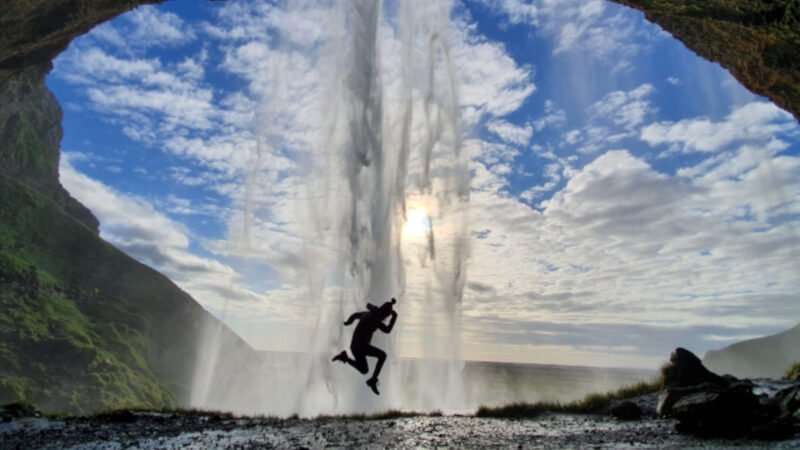
Seljalandsfoss is a graceful waterfall that tumbles over 60 meters from Eyjafjallajökull, a volcano on Iceland’s stunning South Coast. It has a special feature that makes it even more exciting – there’s a path you can take all the way around the cascade! It can be slippery, but the views are unforgettable if you don’t mind getting wet! The chute is fueled by glacial meltwater from the volcano that stopped air traffic in 2010, putting Iceland on the map! A “secret” waterfall called Gljúfrabúi is nearby, hidden in a little green rock canyon – we’ll show you where to find it!
Reynisfjara Black Beach
See one of the most famous beaches in the world
If National Geographic and TripAdvisor both say Reynisfjara is one of the best beaches in the world, then you have to add it to your list of “must-see” places to visit when you’re in Iceland. With miles of jet-black volcanic sands stretching into the distance and fierce Atlantic waves pounding the shoreline, it’s one of the most dramatic coastlines you’ll ever see! Lined with beautiful basalt columns, the Reynisdrangar completes the cinematic scene, towering sea stacks looming offshore! Some say these were trolls trying to catch a ship, frozen in time when the sun rose!
Jökulsárlon Glacier Lagoon
Explore Iceland’s spectacular Glacier Lagoon on our tours
Where else can you get up close to immense icebergs in a glacial meltwater lagoon? On our South Coast Multi-Day and Ring Road tours, you can visit the astonishing Glacier Lagoon at Jökulsárlón, where you’ll see gigantic icebergs floating serenely around a spectacular lake, which only formed about 80 years ago. As the Breiðamerkurjökull glacier retreats, giant pieces break off the edge and sail out to sea. The Glacier Lagoon is the “waiting room” on the journey! Come and see these multicolored icy marvels for yourself at this bucket-list location, and look out for seals basking on the bergs too!
Hraunfossar Lava Waterfalls
See a unique waterfall when you book a Silver Circle tour
Iceland is filled with unique sights, and one of the most mesmerizing is the “Lava Waterfalls” at Hraunfossar. Part of the Silver Circle tour route, glacial meltwater gently cascades down a series of steps from the middle of moss-covered lava cliffs, with the falls stretching for hundreds of meters. The waters seep through the Hallmundarhraun lava field until reaching the White River before tumbling gracefully below. You can enjoy the Lava Waterfall from different perspectives at several viewing platforms. It’s an extraordinary sight!
Gullfoss Waterfall
Discover the glorious Gullfoss on our Golden Circle tours
One of the highlights of the famous Golden Circle route, Gullfoss is a thundering two-tier waterfall fueled by Langjökull, the “Long Glacier”, which you’ll see far inland if it’s a clear day. Tumbling more than thirty meters into a dramatic rock canyon, Gullfoss is one of the most thrilling waterfalls in the country, and you can see the falls from several viewing platforms. Watch out for rainbows on sunny days, and wear waterproofs – millions of gallons of water crashing over the cascade creates lots of spray!
Golden Circle
See Iceland’s most famous sights
Tour the Golden Circle to see the glittering jewels in Iceland’s crown. In one convenient day trip from the capital, you’ll see the magnificent Gullfoss waterfall, the geothermal wonders of Geysir, and the spectacular rift valley at Þingvellir National Park. The Golden Circle offers you the best of Iceland’s natural beauty and history, where you can walk in Viking footsteps between two continents! Stand back as a geyser erupts at Haukadalur Geothermal Area every few minutes and admire the view at Gullfoss, a tremendous two-tiered waterfall fed by glacial meltwater.
Geysir
Visit the “original” Geyser on our Golden Circle tours
Iceland’s fierce volcanic activity fuels gushing geysers all around the country, and the most famous hot spring is Geysir, one of the highlights of our Golden Circle tours. Geysir was the first erupting hot spring discovered by Europeans, and its name is the Icelandic word for “gush”, giving its name to all hot springs worldwide. Geysir is quiet these days, but Strokkur sends hot water and vapor high into the sky every few minutes! You won’t have to wait long to see it blow sky-high. So get your camera ready – this will be one of the best photo opportunities you’ll have in Iceland!
Dyrhólaey
See the “Arch with a Hole” summer home to Puffins
Offering some of the best views on the South Coast, Dyrhólaey (Door Hill Island) is a spectacular promontory rising more than a hundred meters high above the Atlantic. Close to the most southerly point in Iceland, fierce waves pound the shores below. You’ll enjoy phenomenal panoramic views of towering stone arches, gleaming glaciers, brooding volcanoes, and Iceland’s famous black sand beach, Reynisfjara. If you look closely, you’ll see the Reynisdrangar too! In the summer, thousands of puffins and other seabirds flock here, so it’s an excellent spot for bird watching!
Blue Lagoon
Take a dip at Iceland’s famous Geothermal SPA
Experience a spa day like no other with a trip to Iceland’s iconic Blue Lagoon. This geothermal paradise guarantees relaxation and rejuvenation after a day of exploring. Some of our Golden Circle & Ring Road tours include an option to visit here, where you can lie back in the warming waters, admire the astonishing views of the jet-black lava fields, exfoliate, and enjoy a drink at the swim-up bar. Close to the airport and the city, the Blue Lagoon is the perfect place to sample the best of Iceland’s famous hot pots, where the mineral-rich healing waters will send you to heaven!
Whale Watching
Enjoy an unforgettable whale watching tour in Iceland!
With more than twenty types of whales visiting Iceland every year, it’s one of the best places in the world to take a whale watching tour. When we visit Akureyri in North Iceland on our Ring Road tours, get ready to spot humpbacks, minke whales, orcas, dolphins, and porpoises. If you’re lucky, you might see a Blue whale, the most enormous creature ever known! Whales and other cetaceans come to Iceland to feed in the nutrient-rich waters, and some stay all year round now. Imagine the joy of seeing whales and dolphins in the wild – you can do that when you visit Iceland!
Waterfalls
Explore the land of ten thousand waterfalls on our tours!
Iceland is covered by glaciers and snow-capped mountains, so that means there’s a lot of crystal-clear meltwater tumbling over cliffs and rushing to the sea. Some say there are over 10,000 waterfalls in Iceland, and you’ll see some of the most famous falls on our Golden Circle, South Coast, and Ring Road tours. There are hidden waterfalls, multi-tiered falls, widescreen cascades where rainbows dance on sunny days, and even waterfalls where you can walk behind the waters! We’ll show you some of the best fosses in Iceland – and they’re all easy to reach too!
Volcanic Craters
See Iceland’s spectacular volcanic craters on our tours!
Iceland is less than 20 million years old, created by underwater volcanoes rising up along the Mid-Atlantic Ridge with a pipeline of molten magma straight from the Earth’s burning core. Dozens of volcanoes dot the country, and many are still active, which means you can explore fascinating volcanic formations at different geological stages! On our Golden Circle tours, you’ll see the multicolored crater at Kerið. Grábrok Craters are included in itineraries for our Westfjords Tours. There are countless more craters to be seen on our Ring Road and Silver Circle tours!
Seal Watching
Go seal spotting while you’re on tour in Iceland!
Iceland is a haven for several seal species, with little colonies of these captivating creatures dotted around the country. On our South Coast & Glacier Lagoon and Ring Road tours, you’ll have a chance to spot them at Jökulsárlón, where seals are often seen basking on the floating icebergs. Iceland’s coastline features golden sandy beaches where Harbor and Gray seals make their home, including Ytri-Tunga, a stop on our Snaefellsnes tour in West Iceland.
Notably the highest chances to see them is when taking one of Westfjords Tours. It’s your best chance to see these gorgeous creatures in their natural habitat!
River Rafting
Take a ride on a thrilling river rafting tour experience!
Iceland’s fast-flowing glacial rivers offer you a fantastic adventure experience when you join one of our adrenaline-pumping river rafting tours. Jump on sturdy rafts not far from Gullfoss waterfall on the Golden Circle, and paddle through the twisting turns of the Brúarhlöð volcanic rock canyon on the White River! Soak up the stunning scenery as you float downstream, safe in the hands of expert guides, with all the equipment you’ll need provided. It’s one of the most exciting adventure activities you can take in Iceland!
Northern Lights
Want to see the Northern Lights? Then book an Multi-Day Tour during winter time!
Seeing a display of the magical Northern Lights is an unforgettable experience, and Iceland is one of the most beautiful places in the world to witness this colorful cosmic spectacle. Clear, dark skies are needed to see the Northern Lights at their best, far away from streetlights. So when you book a winter multi-day tour, you’ll have the best chance to see the Northern Lights when you stay overnight in the remote Icelandic countryside. The darker the nights get, the brighter the lights can be seen. Choose one of our winter tours for an experience you’ll never forget!
Lava Formations
Explore Iceland’s astonishing lava formations on our tours
On our tours of Iceland, you’ll see an ever-changing country packed with breathtaking geological marvels, including beautiful basalt columns, jagged pinnacles, and jet-black lava flows. Home to some of the fiercest volcanoes ever known, more than a third of the world’s recorded lava since the Middle Ages has poured across Iceland! On our Ring Road and South Coast tours, you’ll see how lava has shaped the country into what it is today, where more than 30 active volcano systems have created astonishing sights like Stuðlagil Canyon, the Eldhraun lava field, and the black sand beach at Reynisfjara.
Lava Caving
Iceland is a hotbed of volcanic activity formed by superheated lava and molten rock from countless eruptions over millions of years. When the lava stops flowing, the top crust cools more quickly, leaving hollow caves and tunnels behind. You can explore these incredible underground spaces when our Silver Circle tours visit The Cave at Víðgelmir in West Iceland. Enjoy a 90-minute expedition on well-lit walkways with expert guides and learn about stalagmites and stalactites in colorful caverns. Viking outlaws used these places as hideouts – now you can explore here too!
Ice Caving
Explore Iceland’s unique ice caves on our exciting tours!
More than a tenth of Iceland is covered by glaciers, making it the perfect place to get a close look at these astonishing frozen wonders. On our South Coast tours, you can opt for an unforgettable Ice Cave experience at Vatnajökull. Iceland’s glaciers are constantly changing, so your ice cave trip will be unique – nobody else will see the same sight again! Strap on some crampons and discover fascinating ice formations, including stalagmites, stalactites, and spectacular blue ice caves, safe in the hands of our experienced glacier guides. Tours operate between late October to April.
Hot Spring Bathing
Take a dip in Iceland’s famous geothermal spas on our tours
Enjoying a dip in a geothermal hot spring spa or pool is a daily ritual for Icelanders, like going to a coffee shop or a bar. There are dozens of natural hot spring spas, swimming pools, and outdoor hot pots all over the country, waiting for you to jump in and relax! Our Golden Circle tours include options to visit the Blue Lagoon or Sky Lagoon near Reykjavík, while our Silver Circle tours include an authentic stone-walled hot pot in a remote canyon! Our Ring Road tours also feature several geothermal swimming pools around the country, where the locals love to relax too.
Glaciers
Take our tours of Iceland to admire its gorgeous glaciers
Close to the Arctic Circle and just 300 miles wide, Iceland is the perfect place to explore glaciers and ice caps. These frozen blue wonders can be seen easily as you explore Iceland on our Ring Road tours. That’s because outlet glaciers and glacier tongues reach down from Sólheimajökull on the South Coast and from Vatnajökull in the East right down to the coast, making it easy to get up close to these majestic sights. Centuries of snow and ice have created these incredible glaciers, but they are retreating now due to climate change. Don’t miss your chance to see these marvels while you can!
Glacier Hike
Experience an adventure like no other on a Glacier Hike tour
Did you know that a tenth of Iceland is covered in glaciers and that 269 of them have been named? Iceland is the ideal place to come if you want to explore these natural wonders at close quarters. That’s because our South Coast tours visit Sólheimajökull in South Iceland, where you can strap on crampons and take an unforgettable stroll across this ever-changing environment. Gaze at incredible ice formations, crossing crevasses, and exploring ice caves, all in the hands of knowledgeable expert guides. Note: Our Glacier Hike tours operate between April and October.
Geysers
Iceland is a country filled with incredible water features, including hot springs, waterfalls, and glacial rivers. But did you know that the word “geyser” comes from here? On our Golden Circle tours, you’ll see the “OG” of geysers everywhere at the Haukadalur Geothermal area. While Geysir has fallen silent recently, nearby Strokkur erupts in steam explosions and spray every few minutes, sending superheated water flying high into the sky. Geysir means “gush” in Icelandic, and that’s where the name comes from! If you book a package with stay in Hveragerði you can also admire smaller cousin of Strokkur that erupts every 15-20 minutes.
Geothermal Areas
Discover Iceland’s active geothermal areas on our tours
Iceland’s fiery volcanic origins mean it’s a hothouse of geothermal activity with several colorful geothermal areas you can explore on our tours. The Blue Lagoon is the most famous, close to the airport, and you can visit the Haukadalur Geothermal Area on our Golden Circle tours. On our Silver Circle tours, you can see the most powerful hot spring in Europe at Deildartunguhver. And if you choose one of our Ring Road tours, you’ll see the almost alien landscapes at Hverir, where fumaroles fizz and hot pools bubble and boil! Feel the ground tremble and smell the sulfur!
Canyons
Iceland is a “country in the making” formed by volcanoes and earthquakes and sculpted by gigantic glaciers.
That offers you a variety of breathtaking and unique landscapes, such as Stuðlagil and Fjaðrárgljúfur, two of the most stunning places in Iceland! At Stuðlagil, you’ll see twisting basalt columns line a gorgeous glacial river canyon, a magnificent location that has only recently been discovered. Fjaðrárgljúfur (Feather River Canyon) is a surreal sight – a marvelous sheer-walled river canyon covered in blankets of velvet-green moss.
Boat Tours
Our tours will take you straight to the most spectacular sights in Iceland, but there are ways of getting even closer if you want to! At the Glacier Lagoon (Jökulsárlón), you can jump into an amphibious vehicle for an unforgettable tour around the lagoon, sailing amongst the glittering giants.
Imagine the thrill of seeing these gigantic chunks of multi-coloured ice from just a few feet away! Where else will you get a chance to cruise between towering icebergs as they sway around the spectacular lagoon? Don’t miss this magical experience! Note: Boat tours are available from May to October.
Bird Watching
Everyone wants to see Iceland’s famous puffins when they visit in the summer months (late May until mid-August). Iceland is also home to countless more species of birds, some of which stay all year round.
On our South Coast and Ring Road tours, you’ll also have a chance to see Arctic terns, kittiwakes, guillemots, and razorbills. Lake Mývatn in North Iceland attracts thousands of ducks each summer, making it a bird watcher’s paradise! Look out for the Barrow’s Goldeneye, Harlequin ducks, gyrfalcons, gannets, and ptarmigans! Our Westfjords and Snæfellsnes tours also include visits to bird-filled cliffs along the route.
Seljalandsfoss Waterfall
Walk into the cave hidden behind the falls!
Hveragerði has several fine restaurants and cafés, and some offer unique dishes that use the underground heat! For example, Ölverk Pizza & Brewery specialize in wood-fired pizzas while using geothermal heat to brew their high-quality craft ales. You can also have a snack inside the greenhouse at Rósa Kaffi. Nearby, The Greenhouse Hotel is also home to a food hall with several options, including tacos, burgers, fried chicken and Asian cuisine. More options are available here, so you’re guaranteed a great meal, whatever you’re in the mood for.